
A major winter storm is forecast to bring snow, ice, and dangerous road conditions across many parts of the United States, potentially affecting flights and airport operations in the coming days.
For travelers, that could mean delays, cancellations, and longer-than-normal travel times. For airports, it means shifting into full winter operations mode.
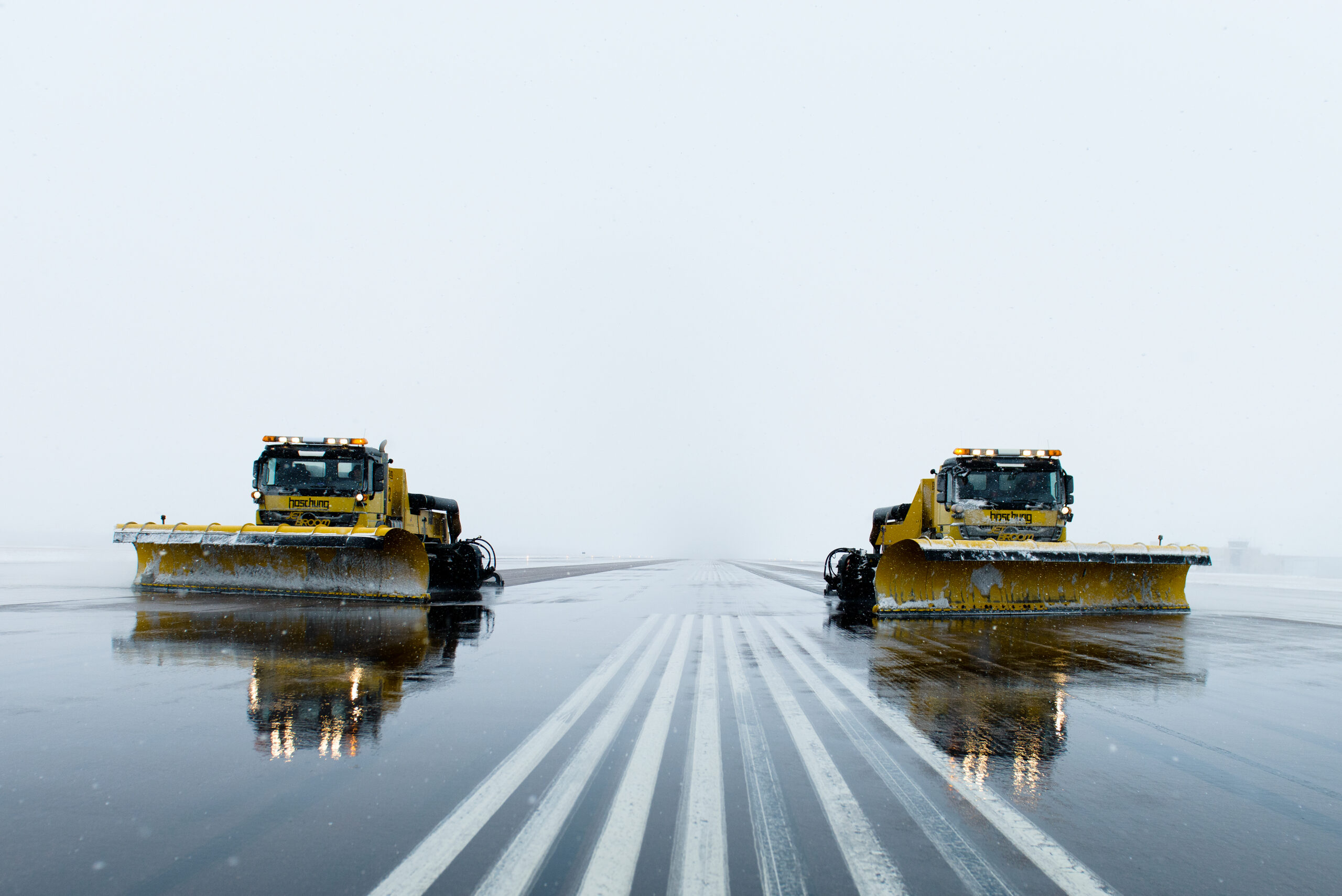
Across the aviation system, airport operations teams are closely tracking weather updates and coordinating with airlines, air traffic control, and federal partners to keep the traveling public safe and informed. For airports, winter weather preparations typically include staging snow removal equipment, treating airfield surfaces, supporting aircraft de-icing operations, and ensuring crews are ready to respond in rotating shifts as conditions change. In many cases, airport and airline teams will be working around the clock to maintain safe operations, keep runways and taxiways as clear as possible, and support passengers inside terminals.
While airports are designed to operate in challenging conditions, winter storms can disrupt carefully timed flight schedules, especially when heavy snow coincides with strong winds or rapidly dropping temperatures. Conditions at one airport can also ripple across the entire airport system, creating delays far beyond the storm’s footprint.
Throughout the event, safety remains the number one priority, and airports will continue to make real-time operational decisions based on conditions on the airfield and in surrounding communities.
Three travel tips for passengers
- Check your flight status before heading to the airport: Your airline’s app or website will have the latest flight updates, rebooking options, and gate changes.
- Plan for slower travel to the airport: Snowy roads and reduced visibility can impact access routes, parking, and shuttle service timing, so give yourself extra buffer time.
- Pack essentials in your carry-on: Weather disruptions can mean longer waits. Keep chargers, medications, and a few necessities with you in case plans change.
Airports are prepared to do what they do best: respond, adapt, and keep travelers moving as safely and efficiently as possible, even when winter weather has other plans.